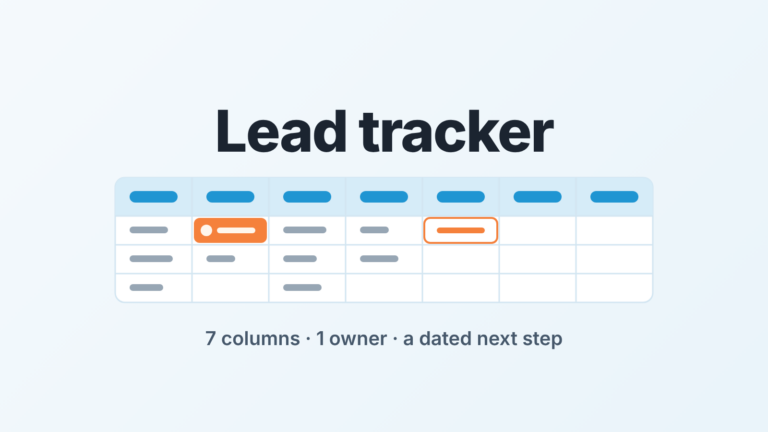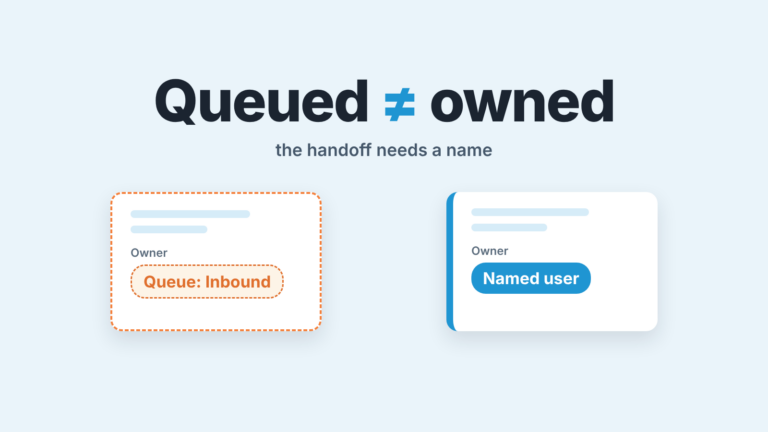
For sales coaching in Salesforce, Agentforce Sales Coach gives a rep deal-specific feedback and buyer role-play based on the stage the opportunity is in and on CRM data when that data exists, so its advice is only as good as the Opportunity record underneath it. A manager still has to read Stage, Next Step and Close Date by hand, and ask the one question no agent can: what happened on this deal that never reached Salesforce?
What Agentforce Sales Coach actually gives a rep
Salesforce describes the feature in four pieces: on-demand coaching without a live coach, pitch practice before a meeting, role-play against a simulated customer, and personalized feedback on how the rep handled that role-play (Trailhead: Get to Know Agentforce Sales Coach). It ships as three prebuilt subagents: Opportunity Coaching, Negotiation/Review Role-Play and Proposal Quote Role-Play. The two role-play subagents play the buyer. The Opportunity Coaching subagent gives the rep feedback after a role-play or pitch practice, based on best practices for five Opportunity stages: Qualification, Needs Analysis, Discovery, Proposal/Pricing and Negotiation/Review (same source).
Read that list again as a manager, because it is the honest scope. The coach rehearses conversations and grades the rehearsal. It is not a replacement for someone looking at the pipeline, and Salesforce does not sell it as one: Trailhead pitches it as a way for managers who can’t review every deal to scale their 1:1 coaching (same source).
It coaches the stage, so the stage had better be true
Agentforce Sales Coach picks its coaching criteria by the opportunity’s stage, so a deal sitting in the wrong stage gets the wrong coaching. In Trailhead’s words, feedback “is populated based on different criteria, the first being the stage the opportunity is in”, and the rep’s answers are then “analyzed with cross-references to CRM data if available” (Trailhead). Each supported stage has its own prompt template with stage-specific questions, and in Prompt Builder an admin can review a template to see which CRM data the coach has access to and which questions it expects the rep to answer (same source).
For a manager, two things follow.
First, the stage field is the steering wheel. A deal that is really in Negotiation but still sits in Discovery because nobody moved it gets Discovery coaching: questions about pain and fit, for a buyer who is already asking about payment terms. The coach is not wrong. The record is. If your team has never written down what has to be true before an opportunity leaves a stage, do that before the coach goes live; a light version is in opportunity stage exit criteria in Salesforce.
Second, “if available” is doing a lot of work. Trailhead says the templates have placeholders that are filled with the deal’s data each time, and that CRM data is used where it exists. It does not say what the coach does with an empty field. Expect a rep with a thin record to get more generic feedback than a rep with a full one; the gap will look like a difference in the coach when its a difference in data entry. So open the prompt template for one stage, note which fields it pulls, and hold the team to those.
What it cannot see
The coach reads what is in Salesforce. Deals are mostly decided by what is not.
- Verbal commitments. “The CFO said she’ll sign if we hold the price through Q1” lives in the rep’s head or in a chat thread. No field, no prompt, no coaching on it.
- Next steps that never became a task. A rep who agreed to send a revised proposal on Thursday and did not create a task has a deal that looks identical, to the coach and to every report, to a deal with no plan at all. The fix is a habit: one open task per opportunity.
- Changes on the buyer’s side. A champion who went quiet, a new head of procurement, a competitor demo last week. Unless someone typed it in, the simulated buyer behaves like the buyer from three weeks ago.
That is the limit of any coach fed from CRM data, as we argued in AI sales coaching for small teams. Reps will start to treat the feedback as a reading of the deal. It is a reading of the record.
A sales coaching 1:1 built on three Opportunity fields
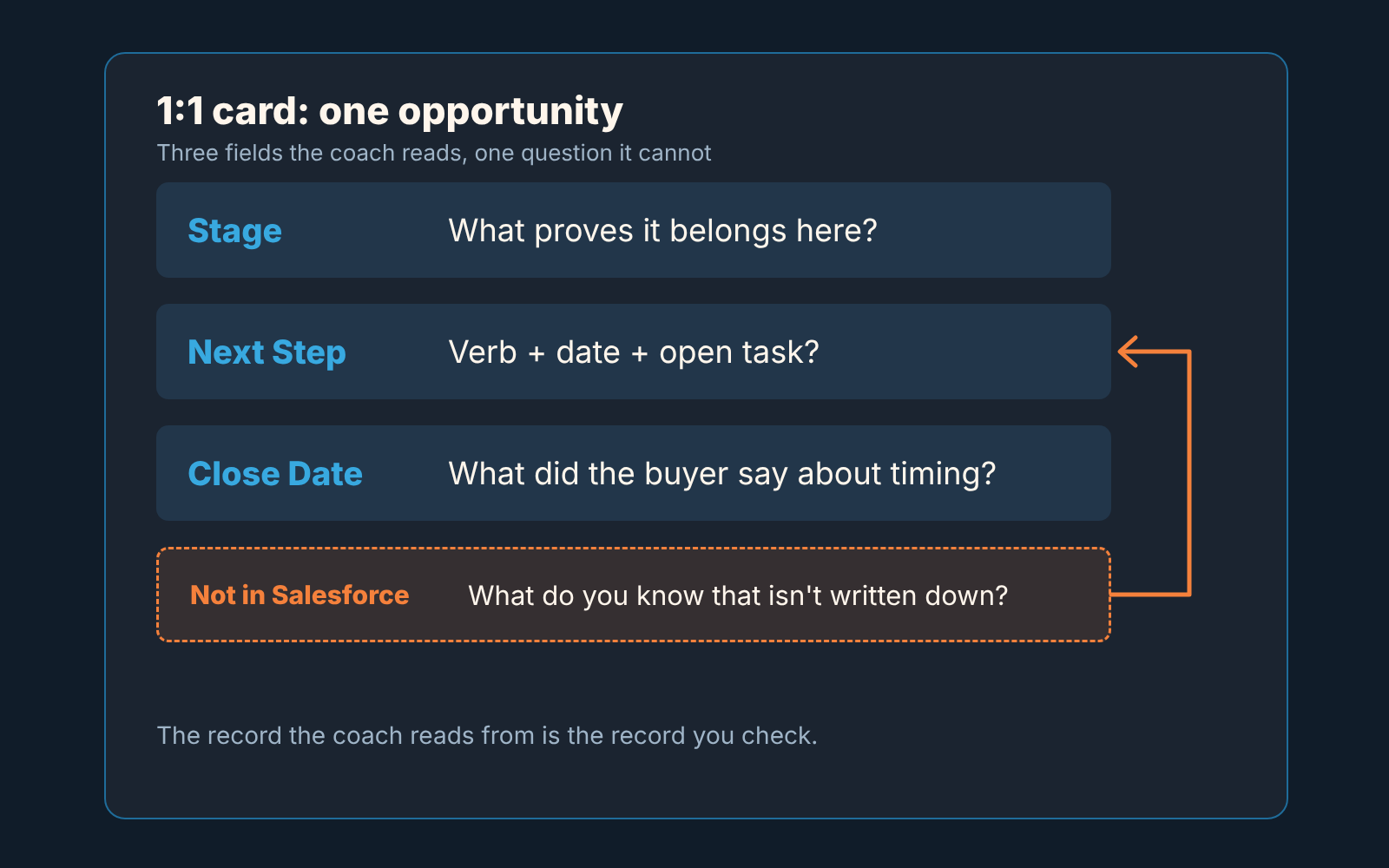
So the manager’s job gets narrower, not smaller. Let the coach run the rehearsals. You check whether the record the coach reads from is true, and in our experience three fields plus one question take about fifteen minutes per rep.
- Stage. Ask what happened that proves the deal belongs here, in the words of your exit criteria. If the answer describes a later stage, move it forward in the meeting; if an earlier one, move it back. Either way the coach gets the right template tomorrow.
- Next Step. Read the field aloud. A verb with a date (“send revised SOW by Nov 3”) and an open task to match: move on. “Follow up” or blank: write the real one together before anything else about the deal is discussed.
- Close Date. Ask what the buyer said about timing, not what the rep hopes. A date that has moved more than once is the coaching topic for this deal, and the topic is not the date. It is why the buyer’s timeline is unknown.
Then the question: what do you know about this deal that is not in Salesforce? Whatever it is goes into Next Step, a task or a note while you are both still in the room so that next week the coach and the manager are reading the same deal.
We build SalesBond, a sales management layer on top of the CRM a team already uses; we started with Pipedrive. It flags open deals with no next activity scheduled or a close date that has already passed, which is the list above assembled before Monday: Check your CRM with SalesBond.
When to coach in person instead
Role-play is cheap now. Judgement is not, and a few deals should not meet the agent first.
A deal outside the five supported stages is one. The prebuilt criteria cover Qualification through Negotiation/Review; a renewal in a custom stage has no template written for it, and the feedback is borrowed from a stage that does not fit. Coach those yourself until an admin has built the template.
A rep who is losing with a clean record is another. Fields filled, next steps dated, stages honest, and the the deals still die after the proposal. The problem is somewhere in the real call, and the only way to find it is to be on one.
And when the coach’s feedback contradicts your own read of the deal, change the criteria in the template rather than telling the rep to ignore the coach. A coach that is sometimes ignored is soon always ignored. How often to hold the human sessions and what to cover is in our general guide to sales coaching.
Did coaching change anything? Two reports, eight weeks
Win rate is the wrong first measure: a full sales cycle has to pass before it can move. Measure the record first.
The first report is open opportunities with a blank Next Step or a Close Date in the past, grouped by owner. If the 1:1 above is happening, expect that count to fall within three or four weeks and stay down; if it does not fall, the meetings are happening without the fields being opened. The second is stage changes per week across the team. More movement, in either direction, means stages are being corrected. A pipeline where nothing changes stage for a month is not stable, it is unread. Building both is covered in weekly Salesforce reports for a sales manager.
After a full cycle, compare the win rate of deals that entered Proposal/Pricing during the coaching period with the ones before it. A difference is a signal, not proof: the coach, the 1:1 and the cleaner record all moved at once. If you can only keep one habit from those eight weeks, keep the fifteen minutes with the record open.